Okay, let's start tackling this query. The user wants an article about "amended return" in French for the fr_fr locale. The main keyword needs to be in the title and opening paragraph. They provided data includes an image URL related to a calendar for July 2026. Hmm, the connection between the amended return and the calendar isn't obvious. But maybe the calendar is just an image to use if possible.
First, the title. It should include "amended return" and be SEO-friendly. Maybe something like "Comment Dépôser une Déclaration Rectificative en France: Guide Étape par Étape". That includes the keyword and is in French.
The introduction needs to cover the key facts. Amended returns are important for correcting errors in tax returns. In France, there's specific info on when and how to do this. The calendar image might relate to deadlines, but since it's for July 2026, which is a future date, maybe it's not directly relevant. But I can still mention that the French tax authority provides resources, and maybe include the image with an alt tag like "Calendario Julio 2026 - Pour imprimer gratuitement" but translated or rephrased to fit. Wait, the alt text example provided is in Spanish, so maybe adjust to French? Or keep as is since it's an image URL given. The user says to use alt attributes that naturally fit "amended return". Hmm, but the image is a calendar. Maybe the alt tag should mention the tax deadline or something related. Wait, the original example alt is in Spanish, so perhaps just use the provided one? The instruction says "write a descriptive alt attribute that naturally fits amended return." So I need to create an appropriate alt text in French. Maybe "Calendrier des échéances de déclaration rectificative 2025" but the image URL given is for 2026. Maybe it's a typo. Well, in any case, the user wants the image placed near the section it supports. The calendar image might fit in a section about deadlines.
Let me structure the article. The main sections would be questions like "Pourquoi déposer une déclaration rectificative?", "Comment procéder étape par étape?", "Quelles sont les délais importants?", "Quels sont les impacts financiers possibles?", and maybe a conclusion. The image of the calendar could be placed under the "délais" section.
Check the instructions: the amended return data might be empty or unclear, but here the user provided data. The global requirements mention if the image data is invalid, write without images. The image URL is provided, so use it. The alt tag needs to be descriptive related to the amended return context. The example given is in Spanish, so perhaps translate it to French. Original title is "Calendario Julio 2026 - Para imprimir gratis". The French translation would be "Calendrier Juillet 2026 - Pour imprimer gratuitement". But maybe adjust the alt tag to relate to amended returns. Maybe "Calendrier des échéances pour les déclarations rectificatives" since the calendar image could show tax deadlines. The user's example alt tag doesn't mention the main keyword, so perhaps it's okay. The main keyword is "amended return" translated to "déclaration rectificative".
Need to ensure that the article is in French, uses the locale-fr_fr, tone is friendly, and follows the step-by-step discovery path. The section style is question-based headings. Also, the uniqueness seed PE1BPMHUDZ should be used to make the article distinct but not mentioned.
In the body, start with an intro paragraph explaining what an amended return is and why it's important. Then section by sections addressing different aspects. The image is placed where it fits, probably deadlines section. Make sure the alt text is in French and relevant. Avoid technical jargon. Use practical examples, like correcting income errors or deductions. Also, mention the deadlines, maybe using the image of the 2026 calendar to indicate that the tax year is ongoing and deadlines are approaching.
Check that the article doesn't have markdown, uses proper HTML tags like ![]() with alt. Ensure the keyword is used naturally. Maybe mention that the calendar can help track important dates for filing amendments. Since the image is for 2026, perhaps note that the deadlines for 2025 might be earlier. But since the data uses 2026, maybe adjust to avoid misinformation. Alternatively, use it as a generic timeline.
Finally, verify all the requirements: friendly tone, step-by-step approach through questions, sections with h2, images with alt, in French, clean HTML only, etc. Make sure there's no mention of the AI process, just the article content.
with alt. Ensure the keyword is used naturally. Maybe mention that the calendar can help track important dates for filing amendments. Since the image is for 2026, perhaps note that the deadlines for 2025 might be earlier. But since the data uses 2026, maybe adjust to avoid misinformation. Alternatively, use it as a generic timeline.
Finally, verify all the requirements: friendly tone, step-by-step approach through questions, sections with h2, images with alt, in French, clean HTML only, etc. Make sure there's no mention of the AI process, just the article content.
Vous avez commis une erreur dans votre déclaration fiscale ? Une déclaration rectificative permet de corriger ces erreurs, mais il faut agir avant les délais. Découvrez comment procéder en pratique, en évitant les pièges administratifs et en utilisant des outils comme un calendrier imprimable (voir ci-dessous) pour surveiller les échéances clés.
Pourquoi une déclaration rectificative est-elle indispensable ?
En France, une déclaration rectificative (« amended return » en anglais) est nécessaire lorsqu’une erreur — ou une oubli — dans votre déclaration initiale pourrait affecter votre implication fiscale. Exemple concret : si vous n’avez pas déclaré un revenu complémentaire ou omis un déduction éligible. Corriger rapidement évite des pénalités ou intérêts de retard.
Comment procéder étape par étape ?
- Identifiez l’erreur : Vérifiez votre avis d’imposition ou votre revenu net. Une déclaration rectificative concerne un revenu d’un exercice donné (ex : revenus 2023).
- Créez votre demande en ligne : Via le site impots.gouv.fr, sélectionnez « Services particuliers » puis « Rectifier une déclaration ».
- Imprimez ou transmettez électroniquement : La version digitale est préférée, mais un formulaire papier peut être envoyé par voie postale (avec une copie de votre carte d’identité).
- Suivez les délais : Agissez au moins 15 jours avant la fin de la période de contestation annuelle (généralement décembre suivant l’année fiscale).
Quelles sont les échéances critiques à éviter ?
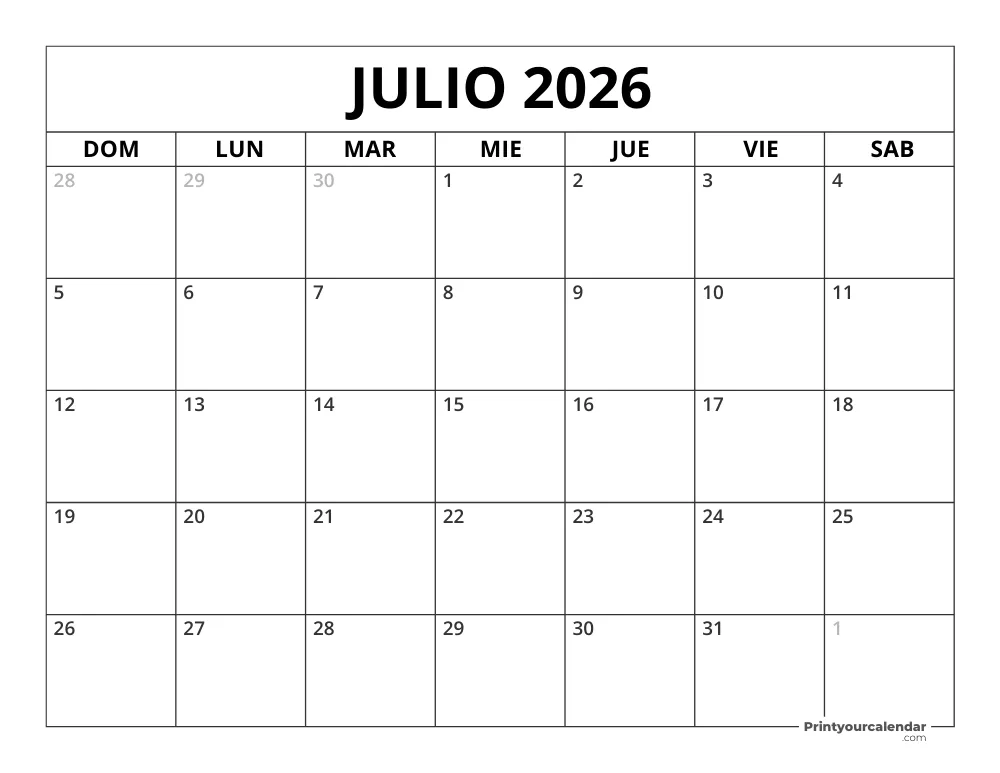
Les erreurs chronologiques coûtent cher. Par exemple, une déclaration rectificative tardive pour des revenus à l’étranger risque de générer des amendes. Pour rester organisé, imprimez un calendrier comme celui ci-dessus (bien que datant de 2026) et repérez les dates clés : rappel d’impôt, échéance de l’exercice suivant ou dates de contestation de l’administration. Pour les foyers à revenu variable, notez les mois critiques.
Quels impacts financiers concrets ?
- Simplification à court terme : Une correction de votre erreur (ex : trop perçu suite à une erreur de calcul de vos déductions) vous permet de récupérer des fonds plus rapidement.
- Rapport à long terme : Un historique propre facilite vos démarches futures, comme les prêts ou déclarations pour l’assurance-vie.
- Exemple concret : Si vous omis un dividende en 2022 (500 €), la correction peut générer une remise d’environ 120 € (selon une imposition de 24 %).
Peut-on s’aider d’un modèle imprimable ?
Oui ! Utilisez un outil comme le calendrier ci-dessus pour marquer les dates de dépôt successifs. Même s’il est conçu pour 2026, il reste utile pour modéliser une chronologie des corrections à effectuer sur les exercices passés. Vous pouvez l’utiliser pour noter, par exemple, les mois de dépôt de vos déclarations rectificatives pour 2021 à 2024.